Understanding Scent Notes
Like perfumery, incense ingredients are classified by how quickly their scent is released and how long it persists:
Top Notes
The first scents you perceive. Bright, volatile, and quick to dissipate. They create the opening impression. Examples: cardamom, eucalyptus, pine, camphor, star anise, citrus peels.
Middle Notes
The heart of the blend. They emerge as top notes fade and provide the main character. Examples: cinnamon, clove, lavender, rose, iris root (orris), juniper, coriander.
Base Notes
The foundation. Deep, rich, and long-lasting. They anchor the blend and persist after everything else fades. Examples: sandalwood, agarwood (oud), vetiver, amber, patchouli, vanilla, benzoin.
A well-balanced incense blend typically includes ingredients from all three note categories. The base notes provide the backbone, middle notes give character, and top notes add brightness and lift.
Resins & Gums
Resins are the aromatic lifeblood of incense. These hardened plant exudates carry concentrated fragrance and have been traded across civilizations for millennia. They're typically used as base or middle notes and form the core of most traditional blends.
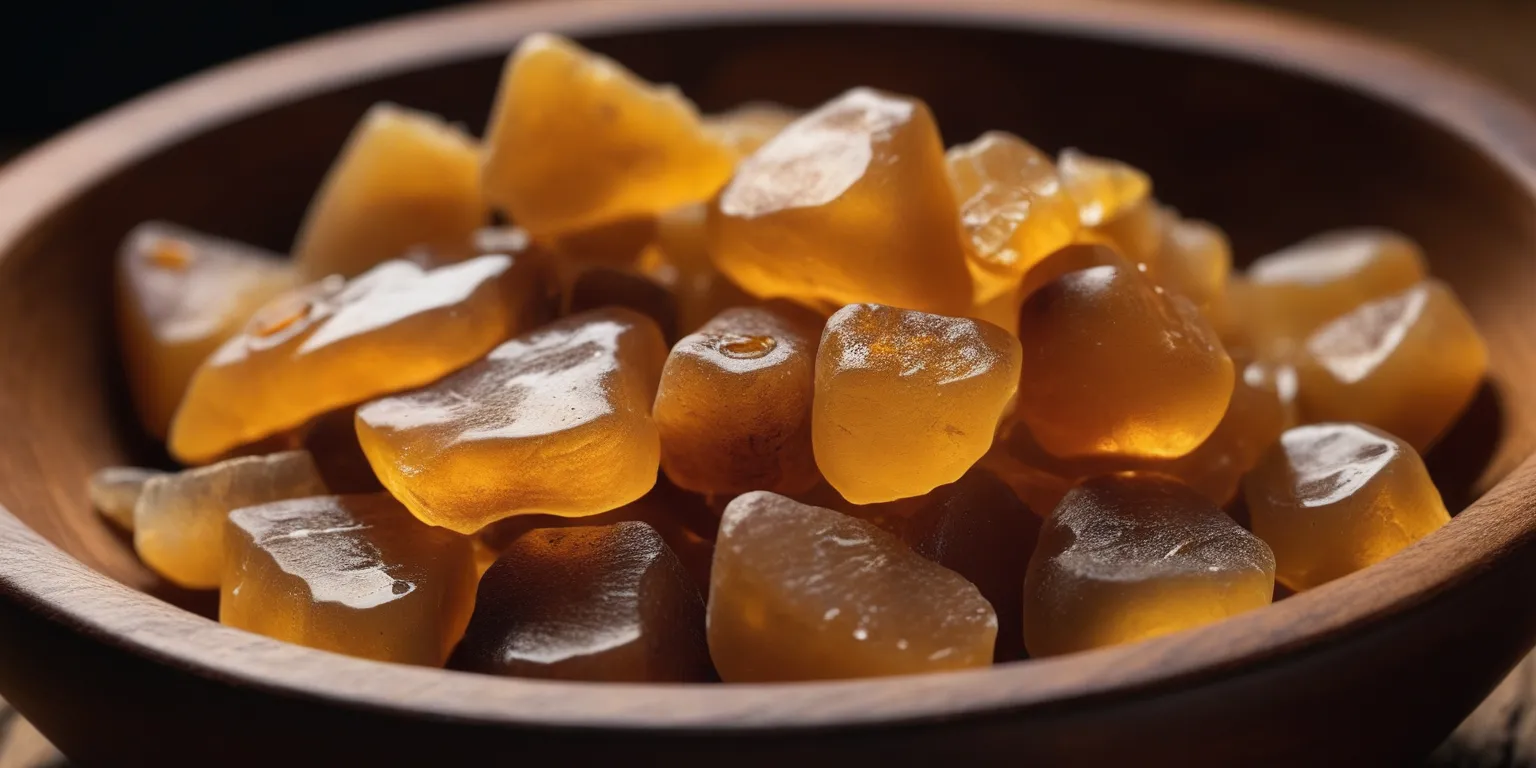 Frankincense tears
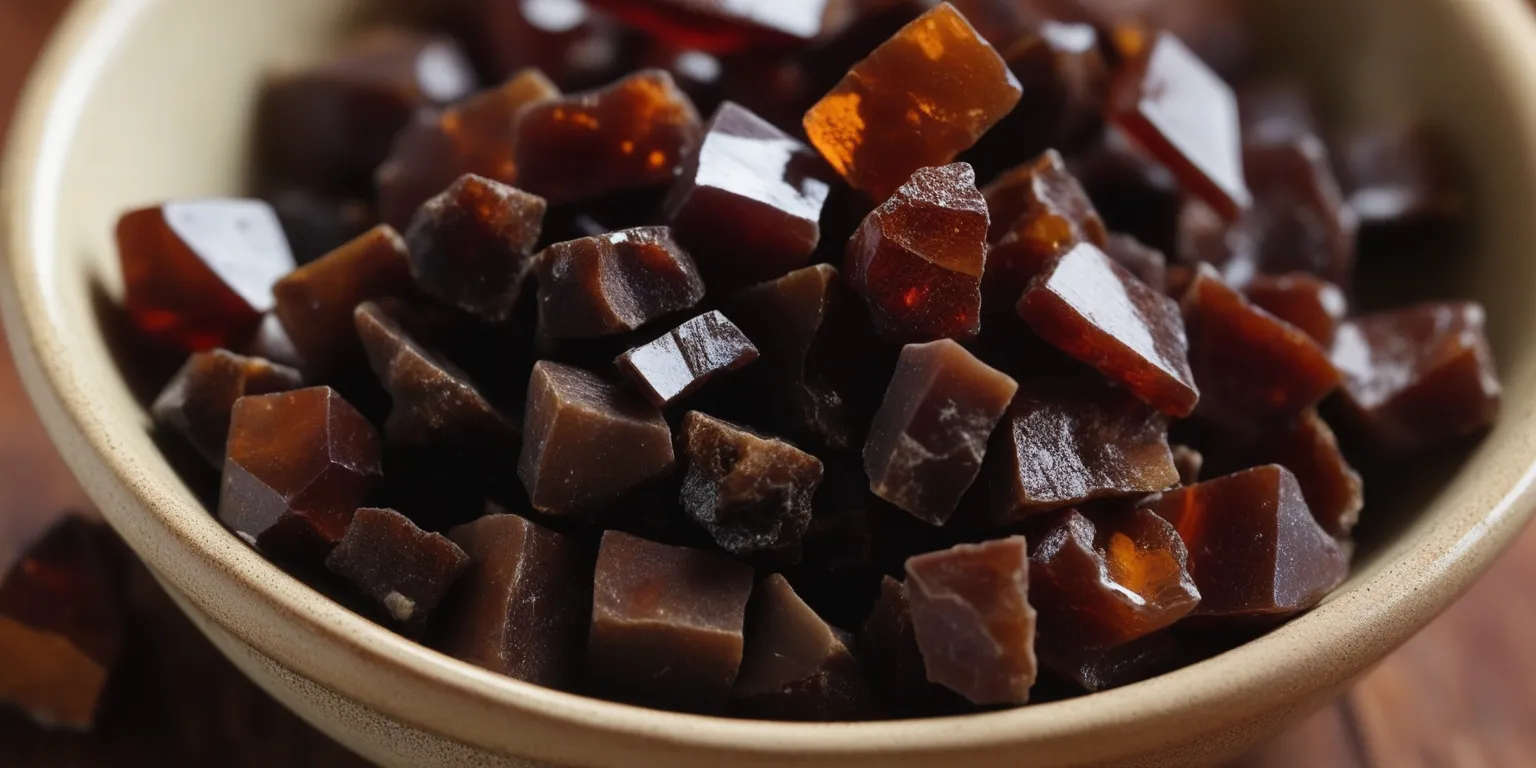 Myrrh resin
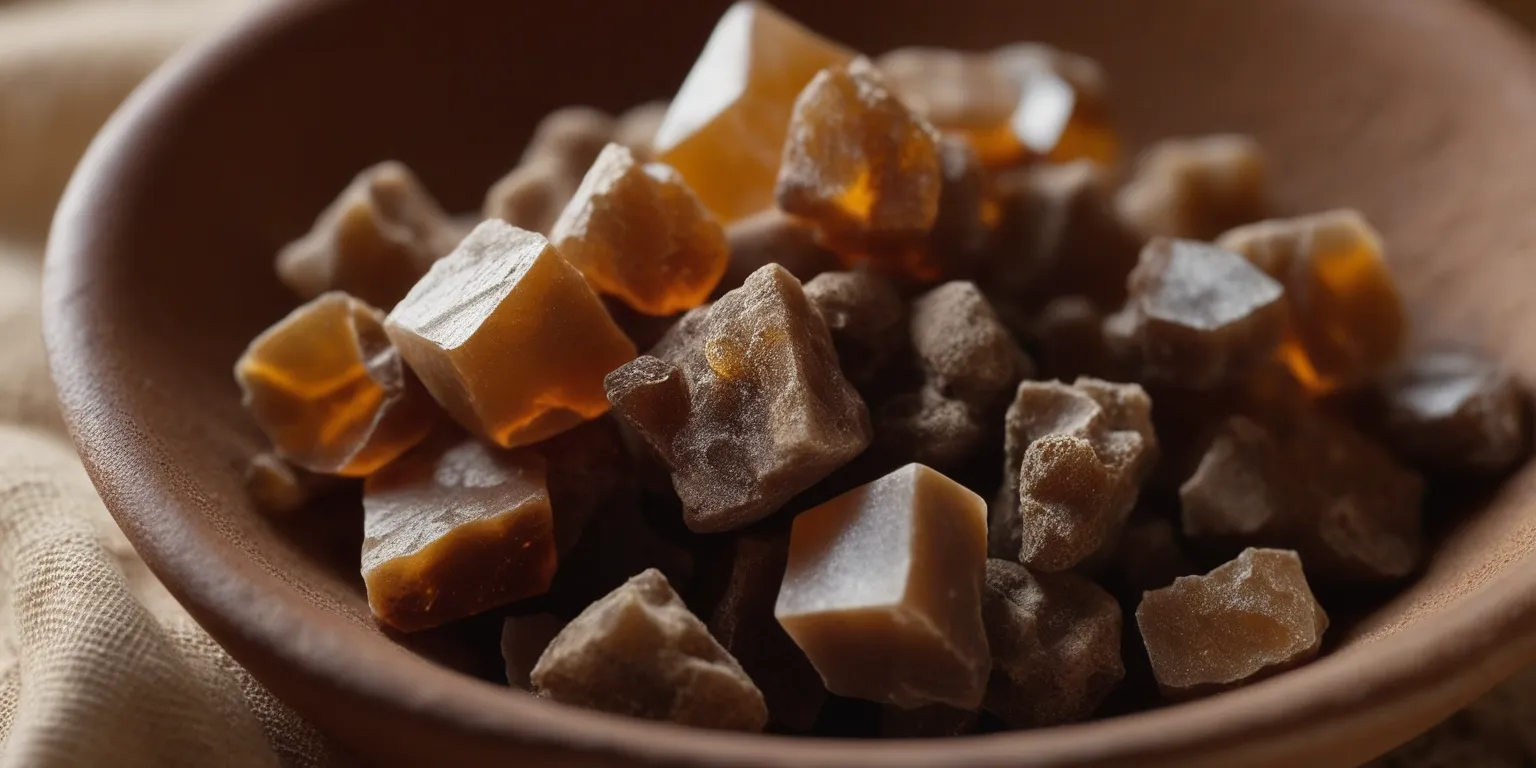 Benzoin chunks
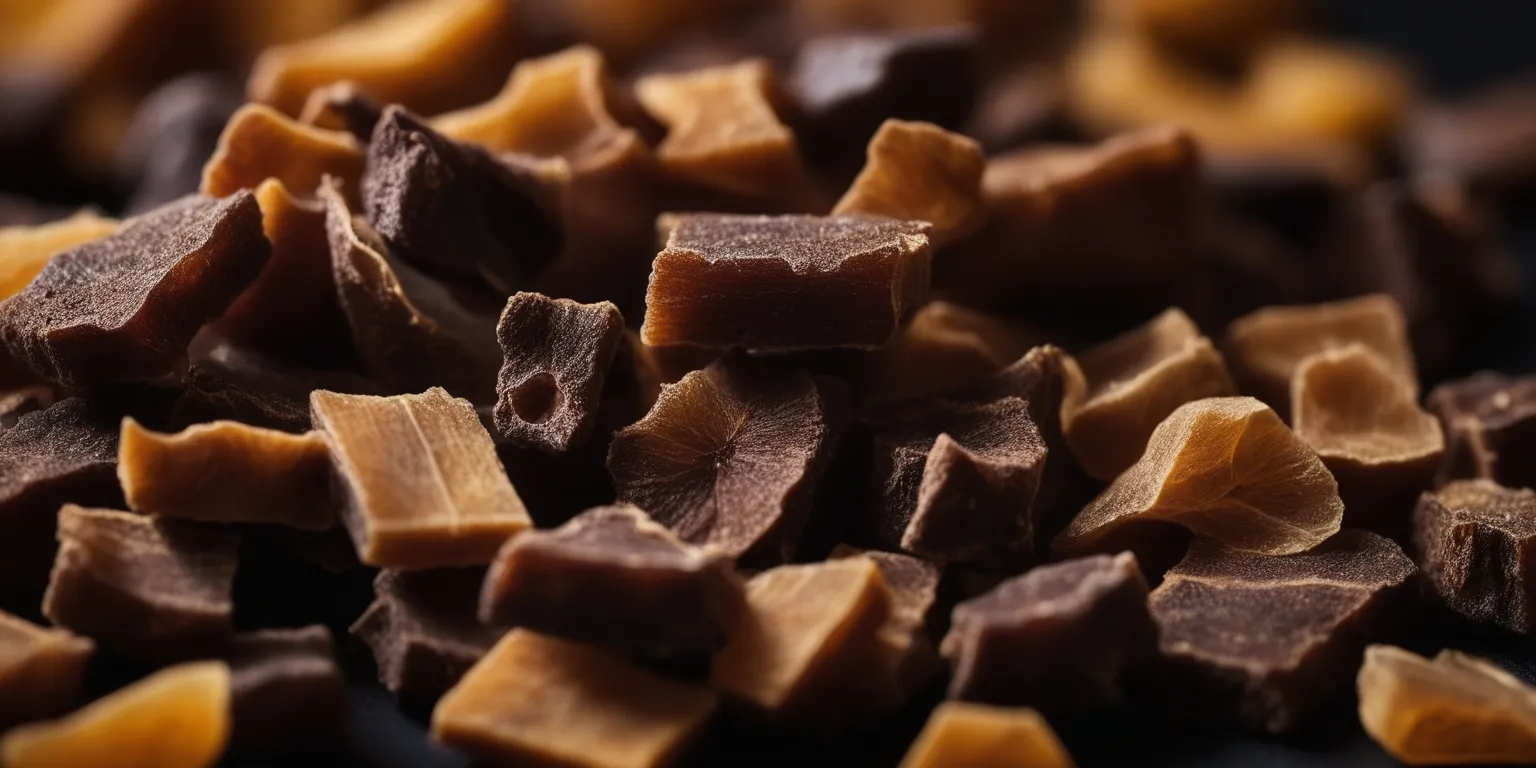 Labdanum resin
| Ingredient | Scent Profile | Note | Preparation Tips |
|---|---|---|---|
| Frankincense (Boswellia) | Bright, citrusy, balsamic, clean. The quintessential incense scent. | Middle | Freeze 20 min before grinding. Many varieties exist: Boswellia sacra (Oman) and B. carterii (Somalia) are most prized. |
| Myrrh (Commiphora) | Warm, bitter, earthy, slightly medicinal. Deepens and grounds blends. | Base | Grinds more easily than frankincense. Pairs naturally with frankincense in nearly every tradition. |
| Benzoin (Styrax) | Sweet, warm, vanilla-like, balsamic. Excellent fixative. | Base | Siam benzoin is sweeter and more refined than Sumatra benzoin. Very sticky; freeze well before grinding. |
| Copal | Fresh, bright, piney, citrusy. Sacred resin of Mesoamerica. | Middle | Comes in white, gold, and black varieties. Gold copal should be amber-colored. Crush to small pieces, not powder. |
| Dragon's Blood (Daemonorops) | Deep, sweet, slightly spicy, rich red color. | Base | Adds a warm sweetness and dramatic red color to blends. Brittle and relatively easy to grind. |
| Mastic (Pistacia lentiscus) | Fresh, clean, piney, slightly sweet. Prized in Greek and Middle Eastern traditions. | Middle | Small, pale, tear-shaped pieces. Becomes very sticky when warm, so freeze before grinding and work quickly. |
| Labdanum (Cistus) | Deep, amber, animalic, complex. Historical substitute for ambergris. | Base | Extremely sticky. Often sold as a dark paste or absolute. Cut with a knife rather than grinding. Best added by kneading into mixtures. |
| Opoponax | Sweet myrrh. Warmer and sweeter than true myrrh. | Base | Softer than myrrh. Sometimes called "sweet myrrh" or bisabol myrrh. |
| Elemi (Canarium) | Fresh, lemony, peppery, slightly dill-like. | Top | Soft and waxy, making it difficult to grind. Freeze overnight. Best mixed directly into wet preparations. |
| Dammar | Light, clean, slightly lemony. Very mild. | Middle | Pale, glassy resin. Relatively easy to grind. Used in Indian and Southeast Asian blends. |
| Storax / Styrax | Rich, balsamic, cinnamon-like. Used in ancient temple incense. | Base | Can be liquid or solid. The solid form is easier to work with. If liquid, use it as a binding agent. |
| Sandarac | Sharp, clean, piney, slightly medicinal. | Middle | Pale yellow resin. Fairly brittle and easy to crush. Used in Arabic and Middle Eastern blends. |
| Guggul (Commiphora wightii) | Deep, balsamic, slightly sweet. The "Indian frankincense." | Base | Central to Indian incense. Can be substituted with frankincense in a pinch. Sticky; freeze before processing. |
| Propolis | Warm, waxy, honey-like, complex. | Base | Bee-produced resin. Freeze before grinding. Small amounts add warmth and complexity. |
Woods
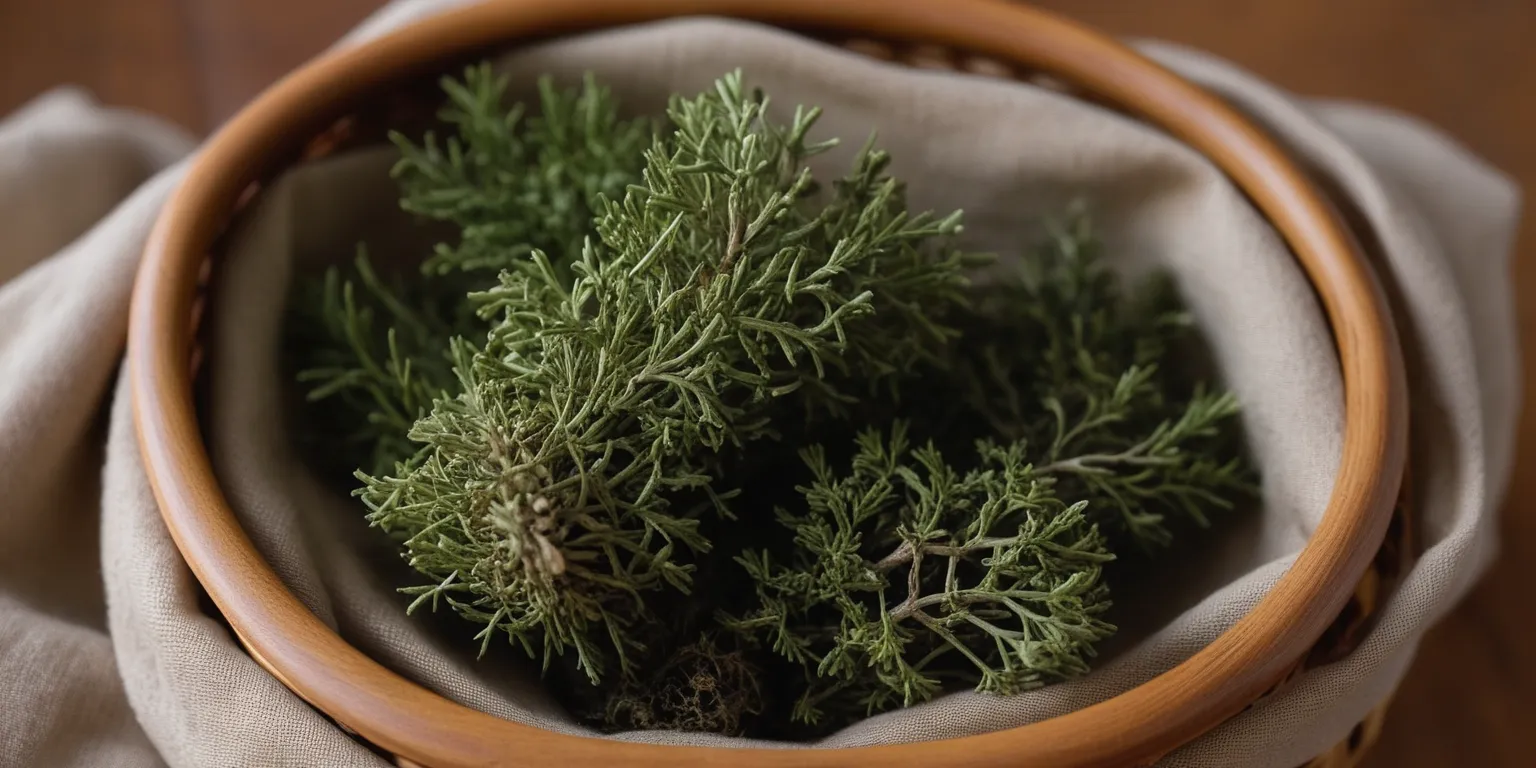
Aromatic woods provide structure and body to incense blends. They're typically base notes with long-lasting, grounding scents. Woods burn more slowly and evenly than resins, making them ideal for creating a sustained fragrance.
| Ingredient | Scent Profile | Note | Preparation Tips |
|---|---|---|---|
| Sandalwood (Santalum) | Creamy, warm, milky, sweet, woody. Perhaps the most universally used incense wood. | Base | Indian sandalwood (S. album) is the gold standard but threatened. Australian sandalwood is a good sustainable alternative. White sandalwood is preferred for scent; red sandalwood is used for color. |
| Agarwood / Oud (Aquilaria) | Complex, deep, animalic, sweet, woody. The most prized incense material in the world. | Base | Extremely expensive. Formed when Aquilaria trees develop a fungal infection. Even a tiny amount transforms a blend. Use "knife-tip" quantities. |
| Cedarwood | Clean, sharp, woody, dry. Familiar and grounding. | Base | Widely available and affordable. Red cedar has more character than white. Used across nearly every incense tradition. |
| Palo Santo (Bursera graveolens) | Sweet, minty, citrusy, woody. Bright for a wood. | Middle | South American sacred wood. Must be harvested from naturally fallen trees and aged 4–10 years to develop its scent. |
| Juniper Wood | Clean, sharp, gin-like, slightly sweet. | Middle | Both the wood and berries are used. The berries add a brighter, more aromatic quality. |
| Cypress | Clean, fresh, slightly resinous. | Middle | Used in the Kyphi tradition and Middle Eastern blends. |
| Pine | Fresh, sharp, resinous, forest-like. | Top | Needles and small branch tips are most aromatic. Dry thoroughly before use. |
Herbs & Flowers
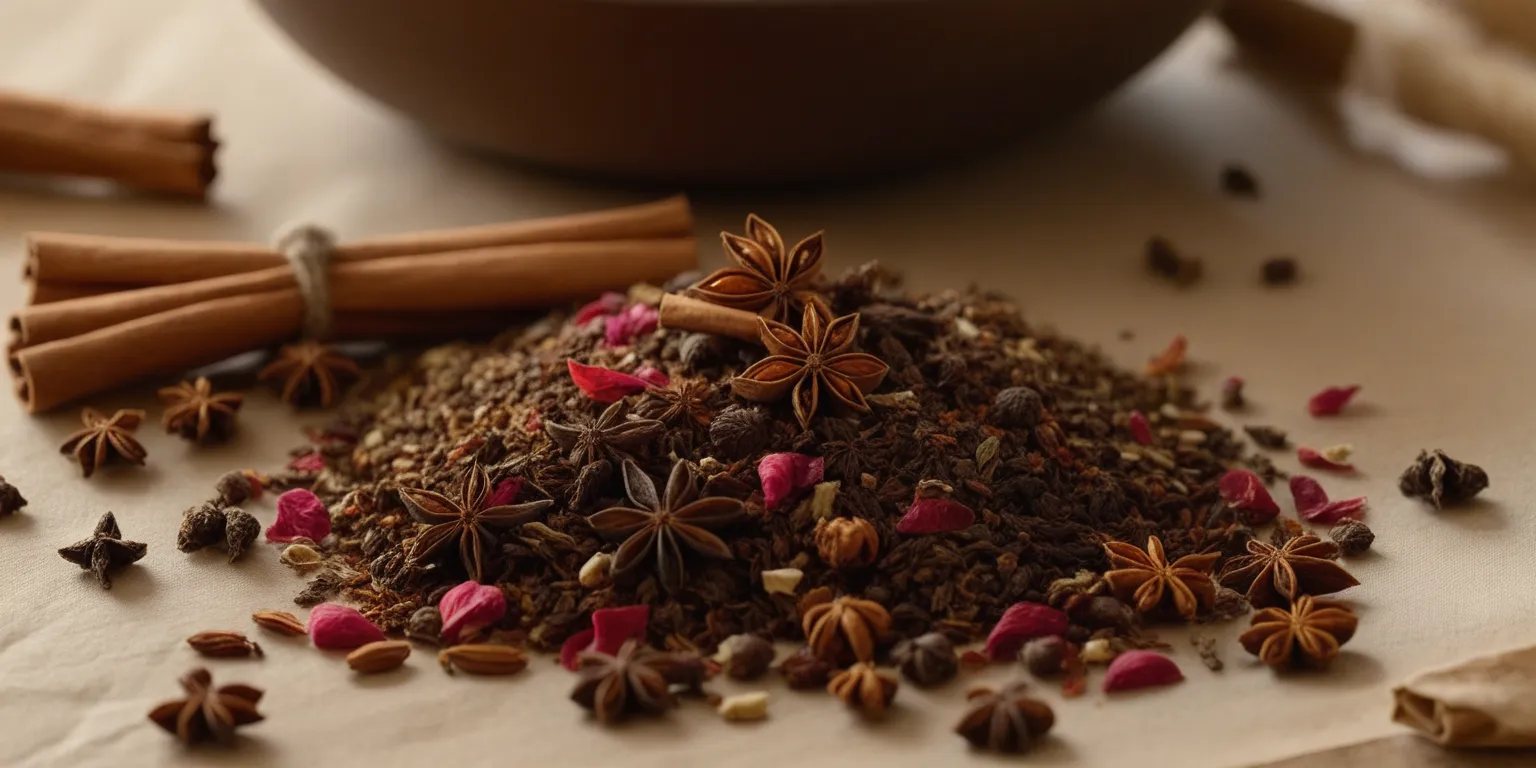
Herbs and flowers add nuance, brightness, and complexity. Many are the same plants you'd find in a garden or kitchen, but their character changes dramatically when heated on charcoal.
| Ingredient | Scent Profile | Note | Preparation Tips |
|---|---|---|---|
| Lavender | Floral, clean, herbal, slightly camphorous. | Middle | Use dried flower buds. Easy to grind. Can overpower a blend, so use sparingly. |
| Rose Petals | Sweet, floral, honeyed, warm. | Middle | Dried rosebuds are more potent than loose petals. Crumble between palms or rub between flat surfaces. Featured in many Arabic and Persian blends. |
| White Sage (Salvia apiana) | Sharp, herbal, camphor-like, cleansing. | Top | Sacred to many Native American traditions. Wild-harvested sage is threatened; seek cultivated sources. |
| Sweetgrass (Hierochloe odorata) | Sweet, vanilla-like, fresh-cut hay. | Middle | Used in Native American purification. Cut into small pieces with scissors. |
| Rosemary | Herbal, piney, camphor-like, stimulating. | Top | Adds an energizing, clarifying quality. Dries and grinds easily. |
| Thyme | Herbal, warm, slightly medicinal. | Top | A bright top note. Use dried leaves only, remove stems. |
| Lemongrass | Bright, citrusy, clean, fresh. | Top | Cut finely with scissors. Adds a lifting citrus quality without actual citrus oils. |
| Patchouli | Earthy, musty, sweet, deep. | Base | Powerful; a little goes a long way. Aged patchouli is smoother and more refined than fresh. |
| Mugwort | Herbal, bitter, slightly sage-like. | Middle | Used in East Asian and European traditions. Associated with dreams and divination. |
| Bay Leaves / Laurel | Herbal, warm, slightly spicy, familiar. | Middle | Used in Greek traditions. Crumble dried leaves by hand. |
| Hibiscus | Tart, fruity, slightly floral. | Top | Adds a fruity brightness. Used as a plant-based musk substitute. |
| Myrtle Leaves | Fresh, green, slightly sweet, eucalyptus-like. | Top | Used in Middle Eastern and Mediterranean blends. |
| Yerba Santa | Sweet, herbal, slightly balsamic. | Middle | Used in Native American healing blends. Pairs well with sage and sweetgrass. |
Spices
Spices bring warmth, depth, and complexity. They're among the most recognizable scents in incense, and many have been traded along the same routes as incense resins for millennia.
| Ingredient | Scent Profile | Note | Preparation Tips |
|---|---|---|---|
| Cinnamon (Cinnamomum) | Warm, sweet, spicy, comforting. | Middle | Both bark and flower buds (cassia buds) are used. True Ceylon cinnamon is milder; cassia is stronger. Featured in nearly every tradition. |
| Clove (Syzygium) | Warm, sharp, numbing, spicy-sweet. | Middle | Very potent; use sparingly. Crush in mortar before grinding. Eugenol (its main compound) is a natural antiseptic. |
| Cardamom (Elettaria) | Bright, sweet, eucalyptus-like, spicy. | Top | Grind pods whole (with shell) for incense. One of the "three kings" of Kyphi recipes. |
| Star Anise | Sweet, licorice-like, warm, distinctive. | Top | Break into pieces before grinding. A little goes a long way. |
| Galangal | Peppery, ginger-like, slightly piney. | Top | Used in Kyphi and Southeast Asian blends. Adds a sharp, stimulating quality. |
| Ginger | Warm, sharp, bright, zesty. | Top | Use dried root. Adds brightness and warmth without overwhelming. |
| Nutmeg | Warm, sweet, woody, slightly hallucinogenic in aroma. | Middle | Grate fresh or crack whole nuts before grinding. Rich and complex. |
| Coriander | Warm, nutty, slightly citrusy, gentle. | Middle | Seeds are used. Lightly crush before blending. A gentle bridge between notes. |
| Saffron | Warm, honeyed, metallic, complex, luxurious. | Middle | Expensive but transformative in small quantities. Used in Persian and Indian blends. |
| Camphor | Sharp, cool, penetrating, medicinal. | Top | Use natural camphor (from Cinnamomum camphora), never synthetic. Very strong; use tiny amounts. Central to Indian and Japanese traditions. |
| Vanilla | Sweet, warm, creamy, comforting. | Base | Use real vanilla bean powder, never synthetic vanillin. Adds sweetness and smooths harsh edges. |
Binders & Base Materials
These ingredients don't contribute much scent on their own but serve essential structural roles.
| Material | Use | Details |
|---|---|---|
| Makko / Tabu no Ki | Self-burning binder for sticks & cones | Powdered bark of the Machilus thunbergii tree. The essential binder for combustible incense. Contains natural cellulose that sustains burning. Use 10–20% of total blend weight. |
| Honey | Binder for neri-koh / kneaded incense | Wild honey preferred. Must be cooked (heated and stirred 20 minutes) to reduce water content. Called "lian mi" in Chinese tradition. Excess moisture causes mold. |
| Dried Plum Flesh | Alternative binder for neri-koh | Traditional Japanese alternative to honey. Pounded into paste, then mixed with aromatics. Creates a slightly tart character. |
| Charcoal Powder | Extends burn, reduces moisture | Bamboo or willow charcoal, finely powdered. Added to neri-koh to prevent mold and absorb excess moisture. Can also form the base of joss sticks. |
| Tragacanth Gum | Water-activated binder | Mixed with water to create a mucilage for binding stick and cone incense. An alternative to makko in some traditions. |
| Saltpeter (Potassium Nitrate) | Combustion aid | Added in tiny amounts to help incense burn more evenly. Used in some traditional stick formulations. Optional and not needed with makko. |
| Iris Root / Orris | Fixative | Powdered orris root helps "fix" volatile scents, making them last longer. Also contributes a faint violet-like note. Used in many Middle Eastern and Japanese blends. |
| Vetiver Root | Fixative & base note | Deep, earthy, slightly smoky. Both a fixative and a valued scent ingredient. The dried roots are chopped and ground. |
Sourcing & Sustainability
Several traditional incense ingredients face serious conservation challenges. As practitioners, we have a responsibility to source conscientiously.
The following commonly used incense materials are threatened or at risk of over-harvesting: agarwood/oud (critically endangered), Indian sandalwood (vulnerable), several frankincense species (declining populations), and wild white sage (over-harvested). Seek suppliers who can verify sustainable, ethical sourcing. Consider cultivated alternatives where available.
A few principles for responsible sourcing:
- Buy from established suppliers who can answer questions about their supply chain
- Australian sandalwood is a sustainable alternative to Indian sandalwood
- Cultivated white sage is available and preferable to wild-harvested
- If an ingredient seems impossibly cheap, it's probably adulterated or from an unsustainable source
- Consider substitutions when a species is under pressure. The World Recipes section notes alternatives where appropriate
Where to Buy
Finding quality incense-making ingredients can be challenging, especially for beginners. Here are some recommended starting points available on Amazon: