How Self-Burning Incense Works
Unlike loose incense, which requires an external heat source, sticks and cones contain a natural binder that sustains combustion. You light the tip, blow out the flame, and the incense smolders on its own, releasing a steady stream of fragrant smoke.
The key difference from loose incense is precision. Every ingredient must be ground to a very fine, uniform powder. Coarse particles disrupt combustion and cause the incense to go out. This is the most demanding form of incense making, but also the most rewarding. There's nothing quite like lighting a stick you made from scratch.
All ingredients for sticks and cones must be ground to a very fine powder and sifted through a fine mesh strainer to remove any remaining coarse particles. This is non-negotiable; even a few coarse grains can prevent even burning.
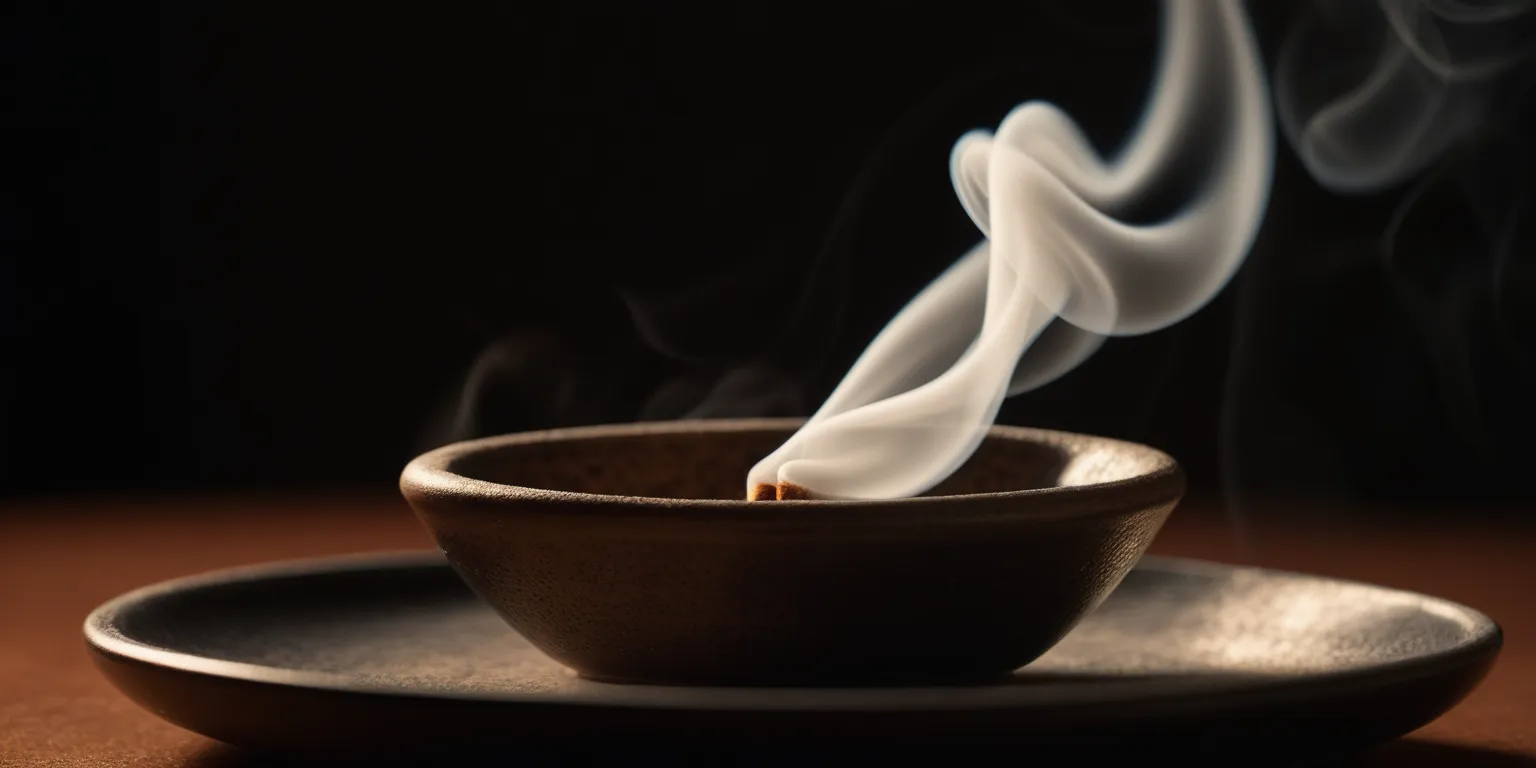
The Reward of Precision
A properly made cone burns slowly and evenly from tip to base, releasing a steady stream of fragrant smoke. Getting here requires the finest powder and the right proportion of natural binder, but the result is deeply satisfying.
Understanding Makko
Makko (also sold as "tabu no ki" or Machilus thunbergii bark powder) is the essential ingredient that makes self-burning incense possible. It serves three purposes:
- Combustion: Makko contains natural cellulose fibers that sustain a slow, even smolder
- Binding: When mixed with water, it becomes slightly tacky and holds the incense together
- Neutral scent: It contributes minimal scent of its own, allowing your aromatic ingredients to shine
How Much Makko to Use
As a starting point, use makko at 15–25% of total blend weight. The exact proportion depends on your other ingredients:
- Resin-heavy blends need more makko (20–25%) because resins resist even burning
- Wood-heavy blends need less makko (10–15%) because wood burns readily on its own
- Herb-heavy blends fall in the middle (15–20%)
If your incense won't stay lit, add more makko. If it burns too fast and hot, reduce it. Finding the right balance is part of the craft.
Tragacanth gum and guar gum can supplement makko as binders. Dissolve a small amount in warm water to make a mucilage, then mix it into your powder. These add binding strength but don't aid combustion, so you still need makko for a self-burning incense.
Preparing Fine Powder
This is where most of the work happens. Every ingredient must become a uniformly fine powder before you can make sticks or cones.
Grinding Strategy
- Resins: Freeze, pound in mortar with dry wood powder. For very fine results, freeze the mortar-ground resin again, then pulse in a dedicated spice grinder in very short bursts
- Woods: Use pre-powdered wood whenever possible. If grinding your own, chip small, run through a coffee grinder, then sift
- Herbs and spices: Coffee grinder works well. Multiple short pulses rather than one long grind
- Sift everything: Pass each ground ingredient through a fine mesh strainer (60–80 mesh). Discard or re-grind what stays in the strainer
Mixing the Dry Blend
Once all ingredients are sifted to fine powder, combine them in a bowl and mix thoroughly. Add the makko at this stage and blend until the mixture is completely uniform in color. Any streaks or pockets of unmixed makko will create uneven burning.
Making Cones
Cones are easier to make than sticks and are a great place to start with combustible incense.
Prepare the Dough
Add water to your dry blend a few drops at a time, mixing thoroughly after each addition. The goal is a slightly moist dough that holds its shape when squeezed but isn't wet or sticky. It should feel like slightly damp clay. Too much water is worse than too little; you can always add more.
If using tragacanth gum, prepare the mucilage first (dissolve a small amount in warm water and let it thicken for an hour), then use this instead of plain water.
Shape the Cones
Pinch off a small amount of dough (about the size of a marble). Roll it between your palms to form a ball, then press and roll one end into a point while keeping the base flat. A good cone is about 2–3 cm tall with a stable, flat base and a smooth, pointed tip.
Alternatively, you can pack the dough into small cone-shaped molds. Silicone candy molds work well, or you can make paper cones as forms.
Dry the Cones
Place finished cones on a wire rack, parchment paper, or a screen in a well-ventilated area out of direct sunlight. They need 2–5 days to dry completely, depending on humidity and size. Turn them occasionally for even drying.
Cones are ready when they feel bone dry and significantly lighter than when freshly shaped. A properly dried cone will sound slightly hollow when tapped.
Making Sticks
Stick incense comes in two forms: solid sticks (where the entire stick is incense material) and core sticks (incense paste applied around a thin bamboo splint). Core sticks are easier to make and more forgiving.
Solid Sticks (Joss Sticks)
Make the Dough
Same process as cones: add water gradually to your powder blend until you achieve a pliable, clay-like dough. For sticks, the consistency should be slightly firmer than for cones: soft enough to roll but firm enough to hold a cylindrical shape without sagging.
Roll the Sticks
Take a small ball of dough and roll it on a smooth, flat surface (a cutting board works well) using your palms to form an even cylinder. Apply gentle, even pressure and roll from center outward. Aim for sticks about 3–4 mm in diameter and 15–20 cm long.
If the dough cracks while rolling, it's too dry, so knead in a few more drops of water. If it sticks to the surface, it's too wet, so knead in a bit more dry powder.
Straighten and Dry
Lay finished sticks on a flat surface lined with parchment paper. Gently straighten any curves. Rotate the sticks every few hours during the first day to prevent flat spots. Full drying takes 3–7 days depending on thickness and humidity.
Core Sticks (Bamboo Base)
For core sticks, you'll need thin bamboo splints (available from incense supply shops or Asian grocery stores).
Prepare a Wet Paste
Mix your aromatic powder blend with water to create a thicker paste than you'd use for solid sticks. It should be spreadable but not runny, like thick peanut butter.
Apply to Bamboo
Dip the bamboo stick into water, then roll it in dry powder to create a base layer that the paste will adhere to. Apply the paste by rolling the bamboo through it on a flat surface, or spread it on with your fingers. Build up an even layer about 2–3 mm thick, leaving 2–3 cm of bare bamboo at one end as a handle.
Smooth and Dry
Roll the coated stick gently on a flat surface to smooth the paste and ensure even thickness. Stand the sticks upright (bare end down) in a jar or block of foam to dry. Drying takes 2–4 days.
Drying & Curing
Proper drying is critical. Incense that's not fully dry will burn poorly, smoke excessively, or refuse to stay lit.
- Location: Dry in a well-ventilated area, out of direct sunlight. A covered porch, a closet with the door cracked, or a room with a ceiling fan works well.
- Duration: 2–7 days depending on size, humidity, and thickness. Patience pays off here.
- Testing: A fully dry stick or cone will be hard, light in weight, and will snap cleanly when broken (sticks) or chip when pressed hard (cones).
- Don't rush: Using a dehydrator, oven, or direct heat causes cracking and uneven drying. Air drying only.
After drying, store your sticks and cones in a sealed container. Like loose incense, they benefit from aging; a few weeks allows the scent to deepen and unify. Some makers age their sticks for months before burning.
Starter Formulas
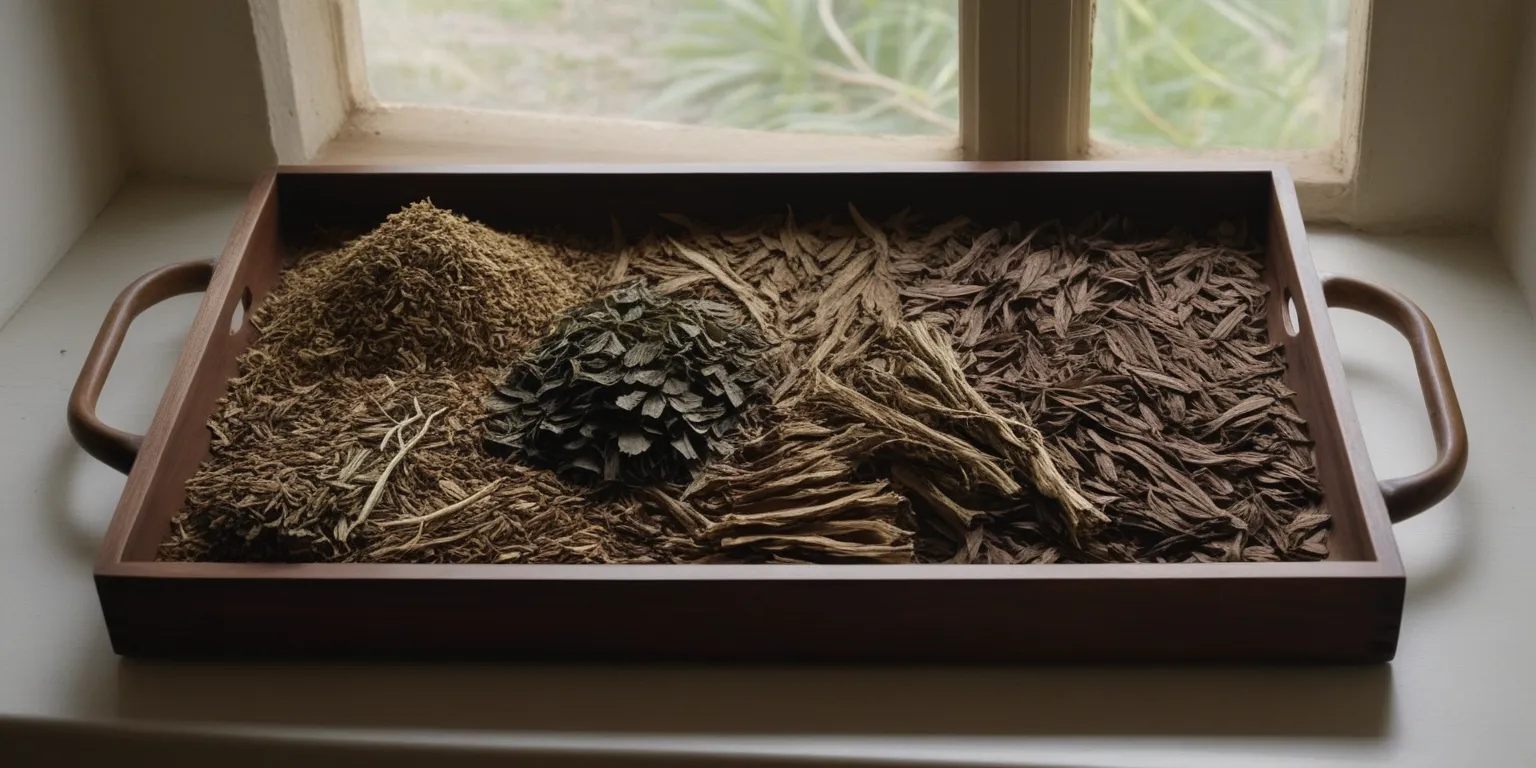
These formulas include makko proportions and are designed for reliable burning.
Classic Sandalwood Stick
| Ingredient | Percentage |
|---|---|
| Sandalwood powder (fine) | 60% |
| Makko | 20% |
| Benzoin powder | 10% |
| Cinnamon powder | 5% |
| Clove powder | 5% |
Frankincense & Myrrh Cones
| Ingredient | Percentage |
|---|---|
| Frankincense powder | 30% |
| Myrrh powder | 15% |
| Sandalwood powder | 25% |
| Makko | 22% |
| Cedarwood powder | 8% |
Japanese-Style Wood Blend
| Ingredient | Percentage |
|---|---|
| Sandalwood powder | 40% |
| Cedarwood powder | 20% |
| Makko | 15% |
| Clove powder | 10% |
| Cinnamon powder | 10% |
| Camphor (natural) | 5% |
Troubleshooting
Won't Stay Lit
Most common issue. Causes: not enough makko, powder too coarse, not fully dry, or too much resin. Increase makko by 5%, re-sift all ingredients finer, and ensure thorough drying. Resin-heavy formulas are the hardest to keep lit.
Burns Too Fast
Too much makko, too thin, or powder is too fine (rare). Reduce makko and try making thicker sticks or larger cones. Increase the proportion of dense ingredients like sandalwood.
Cracks While Drying
The dough was either too wet initially or is drying too fast. Move to a slower-drying location (less airflow). In future batches, use less water and shape more compactly.
Smells Like Smoke, Not Fragrance
Too much binder or base material relative to aromatics. Also ensure you're using quality ingredients. Try reducing makko to the minimum that sustains burning. Core sticks tend to have more noticeable smoke from the bamboo.
Crumbles Apart
Not enough binder or water. The dough should be cohesive when squeezed. Add a small amount of tragacanth gum solution for extra binding strength, or increase makko slightly.
Uneven Burning
Ingredients aren't mixed uniformly, or thickness varies along the stick. Mix dry ingredients more thoroughly before adding water, and aim for consistent diameter when rolling sticks.
Now that you can shape your blends into sticks and cones, explore the refined art of Japanese kneaded incense (neri-koh), or try authentic traditional blends from the World Recipes collection.